The Patients View of Eosinophilic Esophagitis:
Amy says:
Living with EoE has become increasingly difficult. I have lived for a couple years being in pain every time I eat and also deal with extreme fatigue and joint/body pain. It is very hard to keep up with the things I need to do while I am sick every day. I am allergic to 25+ foods and have recently been taken off food and am now living off of an elemental formula (which DOES NOT taste very good). Dealing with this is very hard because food is everywhere and is very hard to avoid because I still crave food. It is a terrible disease to live with, emotionally and physically.
Beth says:
Life with EE means making sure I take my medicine every day, trying to remember to eat small bites and chew slowly and knowing that any food, at any time can be a dangerous food. Life with EE means arguing with doctors who think they know my disease better than I do, even though they've only had maybe one other patient with it. Life with EE means trying not to disrupt everyone else's dinner when my food gets stuck and trying to smile though it all after I've had an episode because I don't want anyone to worry or feel sorry for me. EE means sometimes having to go to the hospital for emergency upper endoscopies because food won't come out - and the nurses and doctors just think you're a pig who ate too much and now you're paying for it. Life with EE means constantly discoveringnew food you react too, and giving up keeping track cause it's too many to count.
Melissa says:
I am 40 years old with a husband and 2 children. I am six months into my diagnosis. Life with EE is exhausting, frustrating, embarassing, unpredictable, depressing, hard to explain to people and hard for people to understand, because I look healthy. It's hard to have a social life because most functions or family events revolve around food. I have to take safe foods for me wherever I go plus medications for emergencies. During a flare food gets stuck in my esophagus and I vomit mucous and hopefully the food will pass or it has to be removed, and hopefully no damage to my esophagus. I have to constantly monitor everything I put in my mouth to keep the inflammation down. I am limited to a small variety of foods, eating the same thing over and over is not fun. I worry one day I will not be able to eat anything. Dealing with a chronic disease changes EVERYTHING.
Candie says:
Having EoE means planning every bite I put in my mouth. I can't go out to eat with friends or family until I call ahead and make sure I can find safe food. I have to make sure at least one person knows what to do in case of an emergency (I choke, food gets caught in my esophagus, I have an anaphylactic reaction, how to administer an EPI-Pen etc.) I live with pain in my chest, among other areas that have been ravaged by inflammation. Steroids are a constant companion and along with them comes swelling, weight gain (despite eating very little), mood swings and extreme fatigue. I have to be careful with exerting energy, conserving what I need for daily functions and to be able to care for my young children. When my symptoms are bad, I must resort to a liquid or rice only diet, and pray I do not react to what I have found to be safe. I face constant misunderstanding and sometimes cruel judgements because I "look perfectly healthy" but on the inside I am nothing but.
Paul says:
I have had difficulties swallowing food, pills and occasionally liquids for as long as I can remember. I am 35 and throughout most of my life, many foods have caused mysterious chest pain, similar to heart burn, sometimes so severe that I could not move. For years, I thought my swallowing difficulties were due to a mental block and that I was psyching myself out whenever I ate. When I was 25 I had a major food impaction that landed me in the emergency room, ultimately resulting in my discovery of a physical cause for my swallowing problems. After 5 years of unsuccessful esophageal dilations, I was diagnosed with Eosinophilic Esophagitis. Although I was thankful for a diagnosis, it offered few solutions . Although, I have received effective treatment with swallowed corticosteroids, I have relied heavily upon my own research and experiences of my peers to try to find a long term solution to the challenges this disorder has brought to my life.
Debbie says:
Living with ee, its like a rollercoaster ride somedays are good and some are bad, I hate that I can't eat what I want. Some people look at me and say you don't look sick, inside I feel really sick and sometimes overwhelmed with the whole thing. Thank god we have a support group on facebook or I really think I would go crazy, we all have something in common and know how each other feels. I hate all the meds, scopes and dialations, blood work and the never ending doctors appointments. I hate being sick and I hate EE! One day I hope they find a cure....please let it be soon!
Joe says:
My biggest issue with EoE is choking on food at every meal. It affects what I eat and where I eat and who I eat with. I typically eat alone because it is embarrassing to choke on food in front of others. I am now allergic to my favorite foods and can no longer eat them. I have to take Topical Steroids to help control the inflammation and I am concerned about long term use of Steroids. With constriction of my esphagus due to this disease, I go yearly for an Endoscopy (with dilation) procedure to enlarge (stretch) my esophagus and there is risk of tearing and concerns about scarring or fibrosis. For EoE treatment,
there is significant cost involved for allergy testing, doctor appointments, medications, and Endoscopy procedures, and my insurance does not cover most allergy related expences.
Nichole says:
Living with EoE is a day to day thing, it changes hour to hour, minute to minute. I experience difficulty swallowing, allergic reactions to foods, nausea, severe acid reflux, and vomiting. I can not eat everything my family eats and they are often waiting for me to finish eating because I eat very slowly thanks to choking many times on the softest foods. I dread going out to dinner, I dread going on a date where food may be involved; I'm 24 and this is my life which I should not be dealing with. Daily life is a struggle, especially when there is no cure and the treatments are unproven and expensive, life has changed drastically and I will have this daily struggle for the rest of my life!
Melanie says:
I was very recently diagnosed,or at least found out I had been diagnosed, apparently my last GI Dr. knew in 2007 but never told me.
My symptoms are very mild compared to some others, just a lump feeling in my throat. I have had 6 dialations over the past 10 years, which the Drs. said was from GERD. I currently am eliminating the big 8 plus 7 other foods which I reacted to on the skin test. The vagueness of the disease and trying to figure out triggers, and the invaseness of the endoscopes is very disheartening. It's even worse to read about the children and adults who are so severe that they can only drink elemental formula or have feeding tubes.
Tracy says:
For me living with EE is an everyday fight. My allergens are environmental so there are no foods for me to eliminate. I take allergy meds, but they only do so much. Not a day goes by that my gut doesn’t hurt. I go thru WEEKS of being unable to keep food down (vomiting every night). Drinking only water. I am sick to death of people telling me I need to gain weight or its all in my head....REALLY you go 2 weeks without a BM, and a week of throwing up every single night for hours till your throat is on fire, then we will revisit the ‘its all in my head theory’
Erica says:
What is it like to live with EoE? It is living hungry. It is constantly shutting out the voice that is my body, crying out for things I cannot have, that the average person takes for granted daily. It is restructuring "meal" times, becoming uninvited to dinner parties, and being given sad stares at celebrations. It is sometimes isolation from people, and recognizing true friendships from fair weather ones. It is conquering self control, and relapsing into pain. It is a struggle, an educator, a life changing experience that teaches you what true priorities are, and what it really means to LIVE.
Deb says:
I was diagnosed with EoE only 7 years ago but it has ruled my entire life. I adjusted my eating naturally at first, small bites, chew and chew and used liquids to help swallow. At 53 I have permanent damage due to no treatment for most of my life except for 20 plus years of yearly dilations to stretch my esophageal strictures. I have avoided situations where eating is involved but eating is necessary and everywhere! I manage my EoE by dietary means but I am tired of reading labels, cooking from scratch and never being able to grab a quick bite. I can not eat and talk at the same time and need quiet around me. I feel isolated and now also saddened by my son's diagnosis of EoE at age 17 which I have passed on.
The Medical View of Eosinophilic Esophagitis:
Eosinophilic Esophagitis (EoE) is an allergic inflammatory condition in which the wall of the esophagus becomes filled with large numbers of eosinophils, a type of white blood cell.
WHAT IS IT AND WHAT ARE THE SYMPTOMS?
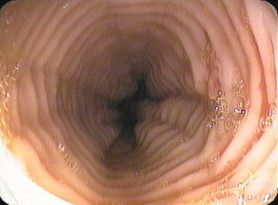
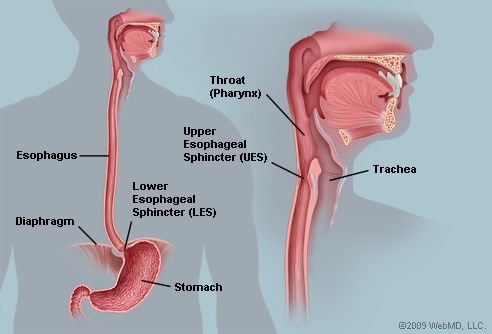
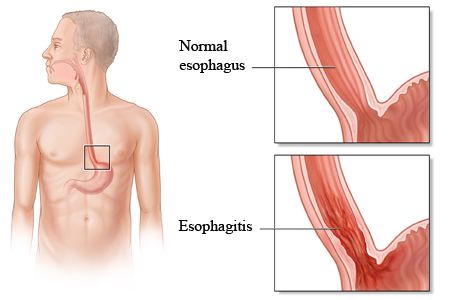
The esophagus is a muscular tube that propels swallowed food from the mouth into the stomach. Esophagitis refers to inflammation of the esophagus that have several causes. The most common cause of esophagitis is acid reflux which most frequently results in heartburn, although acid reflux can also cause ulcers in the inner lining of the esophagus. Doctors believe that Eosinophilic Esophagitis is a type of esophagitis that is caused by allergy for two reasons. First, eosinophils are prominent in other diseases associated with allergy such as asthma, hay fever, allergic rhinitis, and atopic dermatitis. Second, patients with Eosinophilic Esophagitis are more likely to suffer from these other allergic diseases. Nevertheless, the exact substance that is causing the allergic reaction in Eosinophilic Esophagitis is not known. The hallmark of Eosinophilic Esophagitis is the presence of large numbers of eosinophils in the tissue just beneath the inner lining of the esophagus.
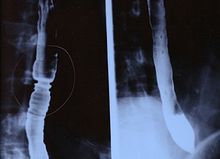
The disease was first described in children but occurs in adults as well. The condition is not well understood, but food allergy may play a significant role. The major symptom in adults with Eosinophilic Esophagitis is dysphagia for solid food.
HOW IS EoE DIAGNOSED?
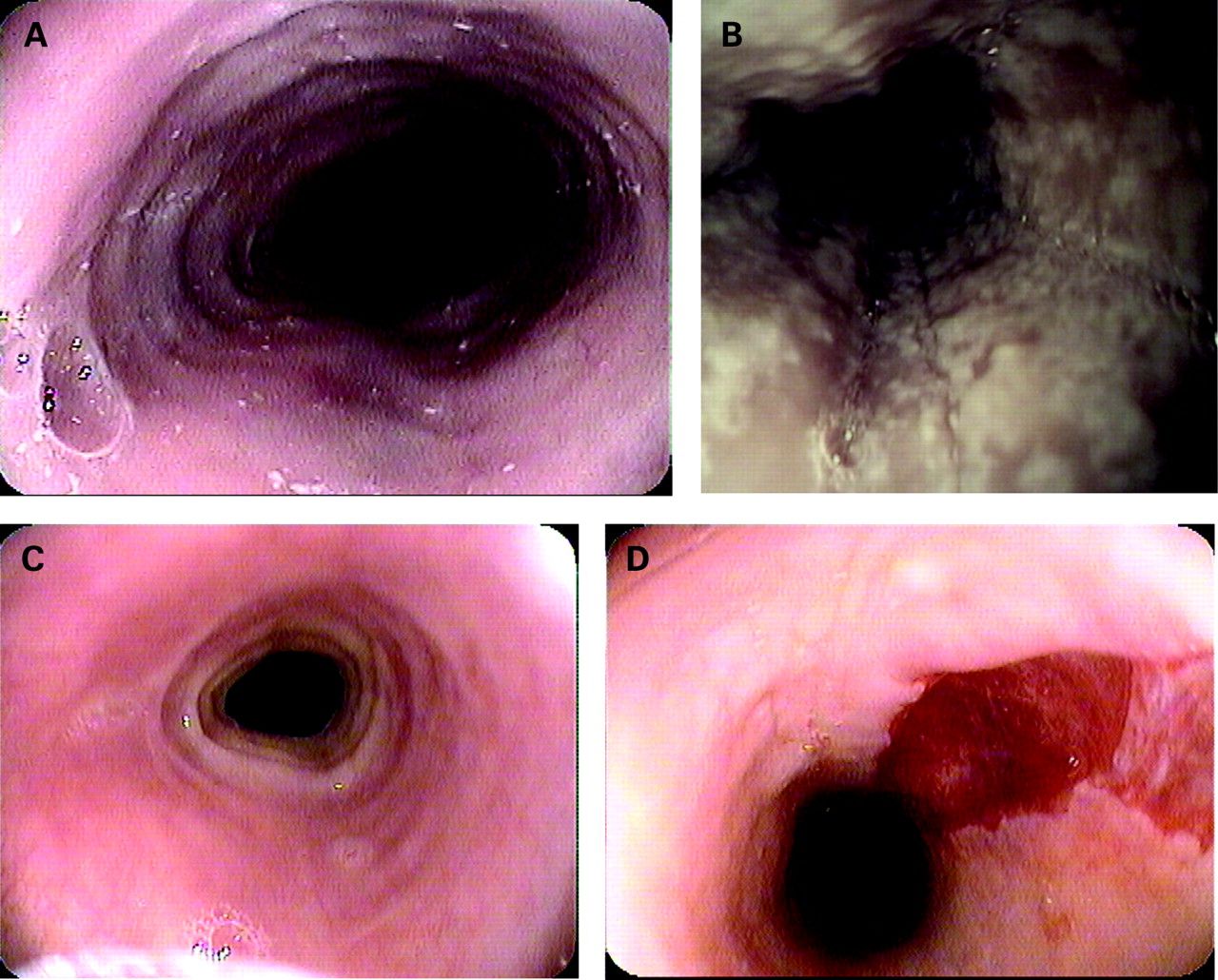
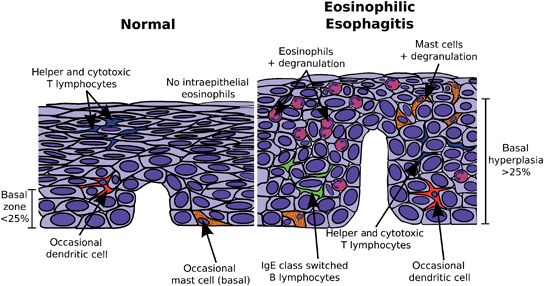
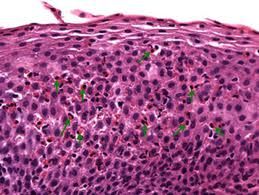
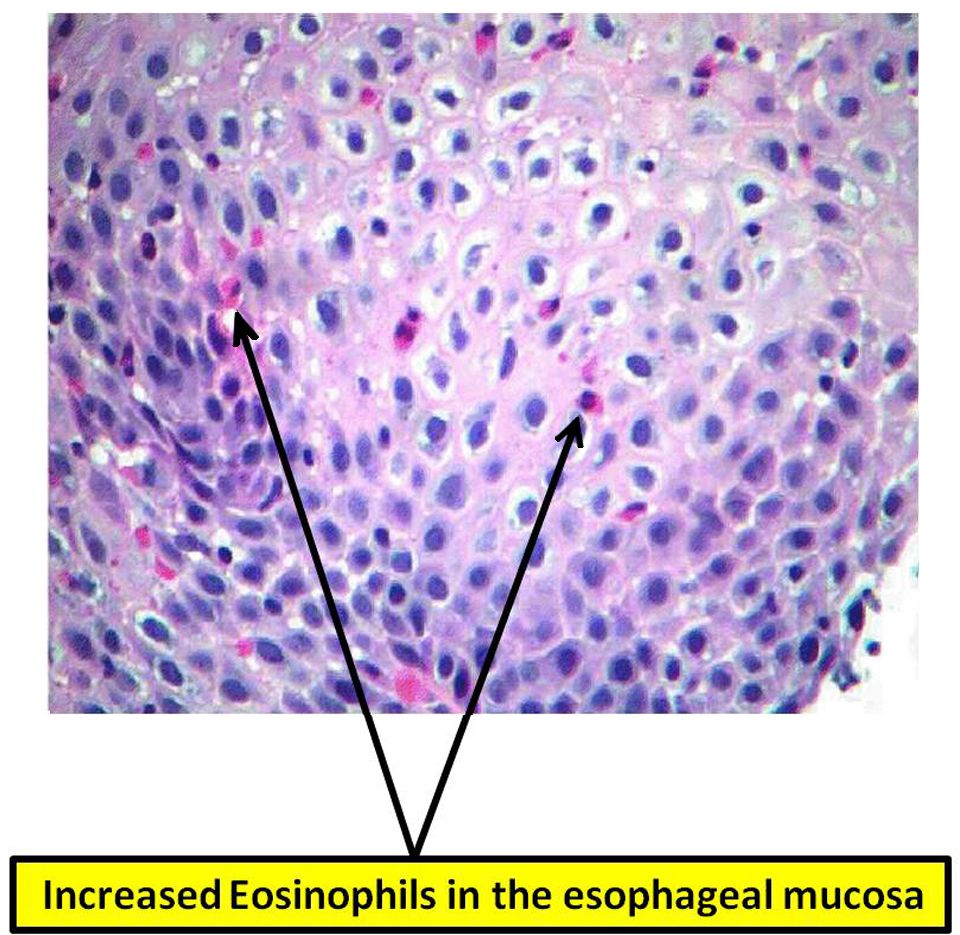
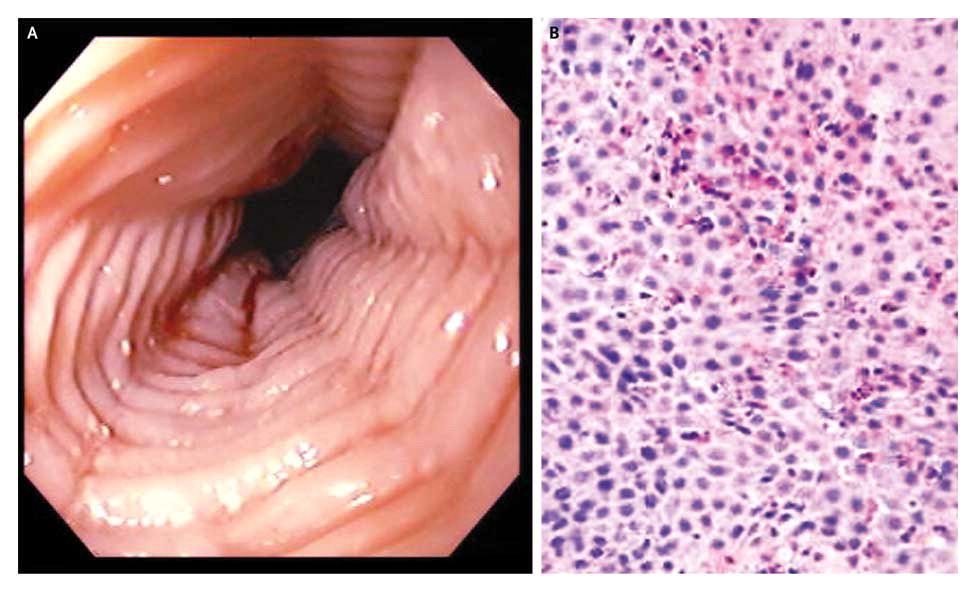
The diagnosis of Eosinophilic Esophagitis is a clinic pathologic one, requiring mucosal biopsies of the esophagus obtained during esophagogastroduodenoscopy (EGD). Normal esophageal mucosa do not have any infiltrating eosinophils. In Eosinophilic Esophagitis, eosinophils infiltrate the epithelium. A minimum of 15 eosinophils per high power field are required to make the diagnosis. Typically, eosinophils can be found in superficial clusters near the surface of the epithelium. Degranulated forms of eosinophils are often visualized. In addition to esophageal infiltration, an expansion of the basal layer is seen in response to the inflammatory damage to the epithelium.
WHAT IS THE TREATMENT?
Treatment strategies include dietary modification to exclude food allergens, medical therapy, and mechanical dilatation of the esophagus. The initial approach to the disorder is often allergy evaluation in an attempt to identify the allergens in the diet or environment that may be triggering the disease. If the offending agent is found, the diet is modified so that these allergens are eliminated. The treatment of Eosinophilic Esophagitis is with proton pump inhibitors and swallowed fluticasone propionate. Gentle esophageal dilatation is used when meditations fail to relieve dysphasia. There are cases, especially in children, where there are multiple food allergies involved. Some patients require an elemental diet through the use of a specialty formula. Sticking to this diet and drinking the required amount of formula can be difficult. The use of feeding tubes in these situations is often required.
A minority of EE patients appear to be non-atopic (non-allergic), yet still present with this disease. Eosinophilic Esophagitis can cause severe pain in many patients.
Eosinophilic Esophagitis in adults is a newly-recognized disease. Therefore, understanding of the cause(s), natural history, diagnosis and management is limited and will evolve over the coming years. Currently, the recommended treatments (for example, with oral fluticasone propionate) are based on a limited number of small studies. More studies involving larger numbers of patients followed for longer periods of time are necessary to determine the long-term efficacy and safety of treatment.
Montelukast (Singulair) is an oral leukotriene receptor antagonist that is used for treating asthma and seasonal allergic rhinitis (hay fever). Leukotrienes are a group of naturally occurring chemicals in the body that promote inflammation in asthma, seasonal allergic rhinitis, and other diseases involving allergy. They are formed by cells, released, and then bound to other cells that participate in inflammation. It is the binding to these other cells that stimulates the cells and promotes inflammation. Montelukast blocks the binding of some of these leukotrienes and has been used with success in treating a small number of patients with Eosinophilic Esophagitis. It improves symptoms but does not reduce the numbers of eosinophils. More studies are needed.
Cromolyn is a synthetic compound that is used to prevent allergic reactions. Many of the symptoms and signs of allergic reactions are caused by chemicals, for example, histamine, that are released from mast cells, a type of cell that is found throughout the body as well as in the lungs, nose, and eyelids. Cromolyn works by preventing the release of these chemicals from the mast cells. Cromolyn is inhaled to prevent episodes of asthma due to allergy. It also is used as a nasal inhaler to treat seasonal allergic rhinitis (due to inflammation of the lining of the nose) and as an ophthalmic (eye) solution to treat allergic reactions.
Eosinophilic Esophagitis (EoE) is an allergic inflammatory condition in which the wall of the esophagus becomes filled with large numbers of eosinophils, a type of white blood cell.
WHAT IS IT AND WHAT ARE THE SYMPTOMS?
The esophagus is a muscular tube that propels swallowed food from the mouth into the stomach. Esophagitis refers to inflammation of the esophagus that have several causes. The most common cause of esophagitis is acid reflux which most frequently results in heartburn, although acid reflux can also cause ulcers in the inner lining of the esophagus. Doctors believe that Eosinophilic Esophagitis is a type of esophagitis that is caused by allergy for two reasons. First, eosinophils are prominent in other diseases associated with allergy such as asthma, hay fever, allergic rhinitis, and atopic dermatitis. Second, patients with Eosinophilic Esophagitis are more likely to suffer from these other allergic diseases. Nevertheless, the exact substance that is causing the allergic reaction in Eosinophilic Esophagitis is not known. The hallmark of Eosinophilic Esophagitis is the presence of large numbers of eosinophils in the tissue just beneath the inner lining of the esophagus.
The disease was first described in children but occurs in adults as well. The condition is not well understood, but food allergy may play a significant role. The major symptom in adults with Eosinophilic Esophagitis is dysphagia for solid food.
HOW IS EoE DIAGNOSED?
The diagnosis of Eosinophilic Esophagitis is a clinic pathologic one, requiring mucosal biopsies of the esophagus obtained during esophagogastroduodenoscopy (EGD). Normal esophageal mucosa do not have any infiltrating eosinophils. In Eosinophilic Esophagitis, eosinophils infiltrate the epithelium. A minimum of 15 eosinophils per high power field are required to make the diagnosis. Typically, eosinophils can be found in superficial clusters near the surface of the epithelium. Degranulated forms of eosinophils are often visualized. In addition to esophageal infiltration, an expansion of the basal layer is seen in response to the inflammatory damage to the epithelium.
WHAT IS THE TREATMENT?
Treatment strategies include dietary modification to exclude food allergens, medical therapy, and mechanical dilatation of the esophagus. The initial approach to the disorder is often allergy evaluation in an attempt to identify the allergens in the diet or environment that may be triggering the disease. If the offending agent is found, the diet is modified so that these allergens are eliminated. The treatment of Eosinophilic Esophagitis is with proton pump inhibitors and swallowed fluticasone propionate. Gentle esophageal dilatation is used when meditations fail to relieve dysphasia. There are cases, especially in children, where there are multiple food allergies involved. Some patients require an elemental diet through the use of a specialty formula. Sticking to this diet and drinking the required amount of formula can be difficult. The use of feeding tubes in these situations is often required.
A minority of EE patients appear to be non-atopic (non-allergic), yet still present with this disease. Eosinophilic Esophagitis can cause severe pain in many patients.
Eosinophilic Esophagitis in adults is a newly-recognized disease. Therefore, understanding of the cause(s), natural history, diagnosis and management is limited and will evolve over the coming years. Currently, the recommended treatments (for example, with oral fluticasone propionate) are based on a limited number of small studies. More studies involving larger numbers of patients followed for longer periods of time are necessary to determine the long-term efficacy and safety of treatment.
Montelukast (Singulair) is an oral leukotriene receptor antagonist that is used for treating asthma and seasonal allergic rhinitis (hay fever). Leukotrienes are a group of naturally occurring chemicals in the body that promote inflammation in asthma, seasonal allergic rhinitis, and other diseases involving allergy. They are formed by cells, released, and then bound to other cells that participate in inflammation. It is the binding to these other cells that stimulates the cells and promotes inflammation. Montelukast blocks the binding of some of these leukotrienes and has been used with success in treating a small number of patients with Eosinophilic Esophagitis. It improves symptoms but does not reduce the numbers of eosinophils. More studies are needed.
Cromolyn is a synthetic compound that is used to prevent allergic reactions. Many of the symptoms and signs of allergic reactions are caused by chemicals, for example, histamine, that are released from mast cells, a type of cell that is found throughout the body as well as in the lungs, nose, and eyelids. Cromolyn works by preventing the release of these chemicals from the mast cells. Cromolyn is inhaled to prevent episodes of asthma due to allergy. It also is used as a nasal inhaler to treat seasonal allergic rhinitis (due to inflammation of the lining of the nose) and as an ophthalmic (eye) solution to treat allergic reactions.
Esophagus X-Ray
Inside the
Eosphagus
Eosphagus
Inside the Eosphagus
Eosinophilic Esophagitis
Eosphagus Diagram
Esophagus and Eosinophils
Furrows Rings
e.I.N.F.O.R.M.E.D.