The patients view of Eosinophilic Gastritis and Eosinophilic Gastritis Enteritis:
Christine says:
I've had this disease (EGE) my whole life and it really does impact every aspect of it. Some days I'm perfectly fine acting like any other teenager, excluding the mountain of pills I take, then other days I can barely function. I try desperately to hide the fact that I am sick but that gets really hard at times. I hate the fact my family, and friends have to worry about me so much. I've never known a "healthy life". On the other hand though, I am on a daily basis shown how strong I am and don't take the simple things of life for granted.
*** PLEASE EMAIL US YOUR STORY IF YOU WOULD LIKE TO BE INCLUDED ON THIS PAGE
The medical view of Eosinophilil Gastritis
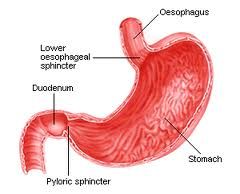
(Stomach)
Eosinophilic Gastritis (EG) is an inflammation of the lining of the stomach, and has many possible causes. The main acute causes are excessive alcohol consumption or prolonged use of non-steroidal anti-inflammatory drugs (also known as NSAIDs) such as aspirin or ibuprofen. Sometimes gastritis develops after major surgery, traumatic injury, burns, or severe infections. Eosinophilic Gastritis may also occur in those who have had weight loss surgery resulting in the banding or reconstruction of the digestive tract. Chronic causes are infection with bacteria, primarily Helicobacter pylori, chronic bile reflux, stress and certain autoimmune disorders can cause gastritis as well.
WHAT ARE THE SYMPTOMS?
Many people with Eosinophils Gastritis experience no symptoms at all. However, upper central abdominal pain is the most common symptom; the pain may be dull, vague, burning, aching, gnawing, sore, or sharp. Pain is usually located in the upper central portion of the abdomen, but it may occur anywhere from the upper left portion of the abdomen around to the back. Other symptoms are indigestion, belching, abdominal bloating, nausea, and vomiting (if present, may be clear, green or yellow, blood-streaked, or completely bloody, depending on the severity of the stomach inflammation) and pernicious anemia. Some may have a feeling of fullness or burning in the upper abdomen, feeling full after only a few bites of food, loss of appetite, and unexplained weight loss. A peptic ulcer may accompany gastritis.
HOW IS EG DIAGNOSED?
A gastroscopy, blood test, complete blood count test, or a stool test may be used to diagnose gastritis. Treatment includes taking antacids or other medicines, such as proton pump inhibitors or antibiotics, and avoiding hot or spicy foods. For those with pernicious anemia, B12 injections are given.
HOW IS IT TREATED?
Medications that reduce the amount of acid in the stomach can relieve symptoms that may accompany gastritis and promote healing of the stomach lining. These medications include antacids, such as aspirin, sodium bicarbonate, and citric acid (Alka-Seltzer); alumina and magnesia (Maalox); and calcium carbonate and magnesia (Rolaids). Antacids relieve mild heartburn or dyspepsia by neutralizing acid in the stomach. These drugs may produce side effects such as diarrhea or constipation. Also a histamine 2 (H2) blockers, such as famotidine (Pepcid AC) and ranitidine (Zantac 75), H2 blockers decrease acid production. They are available both over the counter and by prescription. Another treatment could be a proton pump inhibitors (PPIs), such as omeprazole (Prilosec, Zegerid), lansoprazole (Prevacid), pantoprazole (Protonix), rabeprazole (Aciphex), esomeprazole (Nexium), and dexlansoprazole (Kapidex). All of these drugs are available by prescription, and some are also available over the counter. PPIs decrease acid production more effectively than H2 blockers.
Depending on the cause of the Eosinophilic Gastritis, additional measures or treatments may be needed. For example, if gastritis is caused by prolonged use of NSAIDs, a doctor may advise a person to stop taking NSAIDs, reduce the dose of NSAIDs, or switch to another class of medications for pain.
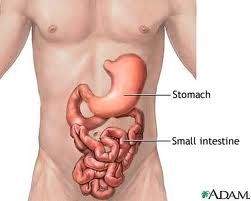
EOSINOPHILIC GASTRITIS ENTERITIS (Stomach & Small Intestine):
In medicine, Eosinophilic Gastritis Enteritis (EgE), from Greek words enteron (Small Intestine) and suffix -itis (Inflammation) refers to inflammation of the small intestine. It is most commonly caused by the ingestion of substances contaminated with pathogenic microorganisms.
WHAT ARE THE SYMPTOMS?
Symptoms include abdominal pain, nausea, bloating, cramping, diarrhea, dehydration and fever. Inflammation of related organs of the gastrointestinal system are gastritis, stomach gastroenteritis, stomach and small intestine colitis
.
Eosinophilic Gastroenteritis may be due to an allergy or a yet unknown food allergen.
HOW IS EgE DIAGNOSED?
Diagnosis is by endoscopy, barium enema, barium x-ray of the small bowel, and colonoscopy with biopsies.
WHAT ARE THE TREATMENTS?
Treatment includes medications for inflammation, immune suppression, antibiotics, or surgery.
(Stomach)
Eosinophilic Gastritis (EG) is an inflammation of the lining of the stomach, and has many possible causes. The main acute causes are excessive alcohol consumption or prolonged use of non-steroidal anti-inflammatory drugs (also known as NSAIDs) such as aspirin or ibuprofen. Sometimes gastritis develops after major surgery, traumatic injury, burns, or severe infections. Eosinophilic Gastritis may also occur in those who have had weight loss surgery resulting in the banding or reconstruction of the digestive tract. Chronic causes are infection with bacteria, primarily Helicobacter pylori, chronic bile reflux, stress and certain autoimmune disorders can cause gastritis as well.
WHAT ARE THE SYMPTOMS?
Many people with Eosinophils Gastritis experience no symptoms at all. However, upper central abdominal pain is the most common symptom; the pain may be dull, vague, burning, aching, gnawing, sore, or sharp. Pain is usually located in the upper central portion of the abdomen, but it may occur anywhere from the upper left portion of the abdomen around to the back. Other symptoms are indigestion, belching, abdominal bloating, nausea, and vomiting (if present, may be clear, green or yellow, blood-streaked, or completely bloody, depending on the severity of the stomach inflammation) and pernicious anemia. Some may have a feeling of fullness or burning in the upper abdomen, feeling full after only a few bites of food, loss of appetite, and unexplained weight loss. A peptic ulcer may accompany gastritis.
HOW IS EG DIAGNOSED?
A gastroscopy, blood test, complete blood count test, or a stool test may be used to diagnose gastritis. Treatment includes taking antacids or other medicines, such as proton pump inhibitors or antibiotics, and avoiding hot or spicy foods. For those with pernicious anemia, B12 injections are given.
HOW IS IT TREATED?
Medications that reduce the amount of acid in the stomach can relieve symptoms that may accompany gastritis and promote healing of the stomach lining. These medications include antacids, such as aspirin, sodium bicarbonate, and citric acid (Alka-Seltzer); alumina and magnesia (Maalox); and calcium carbonate and magnesia (Rolaids). Antacids relieve mild heartburn or dyspepsia by neutralizing acid in the stomach. These drugs may produce side effects such as diarrhea or constipation. Also a histamine 2 (H2) blockers, such as famotidine (Pepcid AC) and ranitidine (Zantac 75), H2 blockers decrease acid production. They are available both over the counter and by prescription. Another treatment could be a proton pump inhibitors (PPIs), such as omeprazole (Prilosec, Zegerid), lansoprazole (Prevacid), pantoprazole (Protonix), rabeprazole (Aciphex), esomeprazole (Nexium), and dexlansoprazole (Kapidex). All of these drugs are available by prescription, and some are also available over the counter. PPIs decrease acid production more effectively than H2 blockers.
Depending on the cause of the Eosinophilic Gastritis, additional measures or treatments may be needed. For example, if gastritis is caused by prolonged use of NSAIDs, a doctor may advise a person to stop taking NSAIDs, reduce the dose of NSAIDs, or switch to another class of medications for pain.
EOSINOPHILIC GASTRITIS ENTERITIS (Stomach & Small Intestine):
In medicine, Eosinophilic Gastritis Enteritis (EgE), from Greek words enteron (Small Intestine) and suffix -itis (Inflammation) refers to inflammation of the small intestine. It is most commonly caused by the ingestion of substances contaminated with pathogenic microorganisms.
WHAT ARE THE SYMPTOMS?
Symptoms include abdominal pain, nausea, bloating, cramping, diarrhea, dehydration and fever. Inflammation of related organs of the gastrointestinal system are gastritis, stomach gastroenteritis, stomach and small intestine colitis
.
Eosinophilic Gastroenteritis may be due to an allergy or a yet unknown food allergen.
HOW IS EgE DIAGNOSED?
Diagnosis is by endoscopy, barium enema, barium x-ray of the small bowel, and colonoscopy with biopsies.
WHAT ARE THE TREATMENTS?
Treatment includes medications for inflammation, immune suppression, antibiotics, or surgery.
Stomach
Stomach and Small Intestines
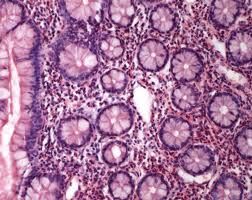
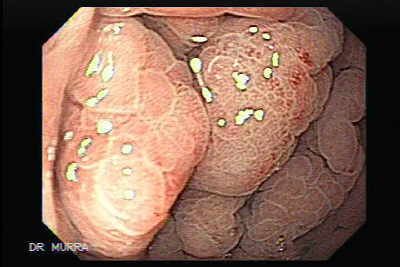
Eosinophilil Gastritis
e.I.N.F.O.R.M.E.D.